
Wisconsin’s new vape law has significantly impacted users – why did this happen, and what’s legal?
Many nicotine vape users were surprised when they showed up to their local smoke shops on or after September 1, 2025. On that date, a new law went into effect that applied new limitations to sellers of nicotine vapes. The result was simple: overnight, a huge number of vapes were no longer available for sale in Wisconsin. The few remaining were mostly those from the large tobacco companies.
The law impacts all devices that fall under the definition of “electronic vaping device” in section 134.65(1a)(b) of the Wisconsin Statutes:
(b) “Electronic vaping device” means a device that may be used to deliver any aerosolized or vaporized liquid or other substance for inhalation, regardless of whether the liquid or other substance contains nicotine, including an e-cigarette, e-cigar, e-pipe, vape pen, or e-hookah. “Electronic vaping device” includes a component, part, or accessory of the device, and includes a liquid or other substance that may be aerosolized or vaporized by such device, regardless of whether the liquid or other substance contains nicotine. “Electronic vaping device” does not include a battery or battery charger when sold separately. “Electronic vaping device” does not include drugs, devices, or combination products authorized for sale by the U.S. food and drug administration, as those terms are defined in the Federal Food, Drug, and Cosmetic Act.
Although hemp-based THC vapes are not mentioned in this definition, section 995.15(2)(c) of the Wisconsin Statutes indicates that hemp-containing electronic vaping devices will become subject to the law on July 1, 2026. A grace period lasting until September 1, 2026 will allow these products to remain on shelves until that date.
In this blog post, we’ll discuss the law, the efforts that preceded it, the potential negative impacts of vaping, and provide potential options for those seeking vapes moving forward.
Van Severen Law Office, S.C. is a criminal defense law firm based in Milwaukee, WI. We operate satellite offices throughout the state, and represent individuals facing misdemeanor, felony, and drunk driving charges. Contact us at (414) 270-0202 to speak with our criminal defense attorneys.
Section 995.15 of the Wisconsin Statutes – Electronic vaping device directory
Wisconsin’s new vape law requires companies to follow certain requirements listed in section 995.15(2) of the Wisconsin Statutes. The statute says the following:
(2) Subject to sub. (2m), no later than July 1, 2025, and annually thereafter, every manufacturer of electronic vaping devices that are sold in this state, either directly by the manufacturer or through a distributor, wholesaler, retailer, or similar intermediary, shall certify to the department, on a form and in the manner prescribed by the department, that the manufacturer shall comply with this section and that one of the following applies:(a) The manufacturer has received a marketing authorization or similar order for the electronic vaping device from the U.S. food and drug administration pursuant to 21 USC 387j.(b) The electronic vaping device was marketed in the United States as of August 8, 2016, the manufacturer submitted a pre-market tobacco product application for the electronic vaping device to the U.S. food and drug administration pursuant to 21 USC 387j on or before September 9, 2020, and either the application remains under review by the U.S. food and drug administration or a final decision on the application has not otherwise taken effect.(c) The electronic vaping device contains hemp, as defined in s. 94.55 (1), and does not contain nicotine.
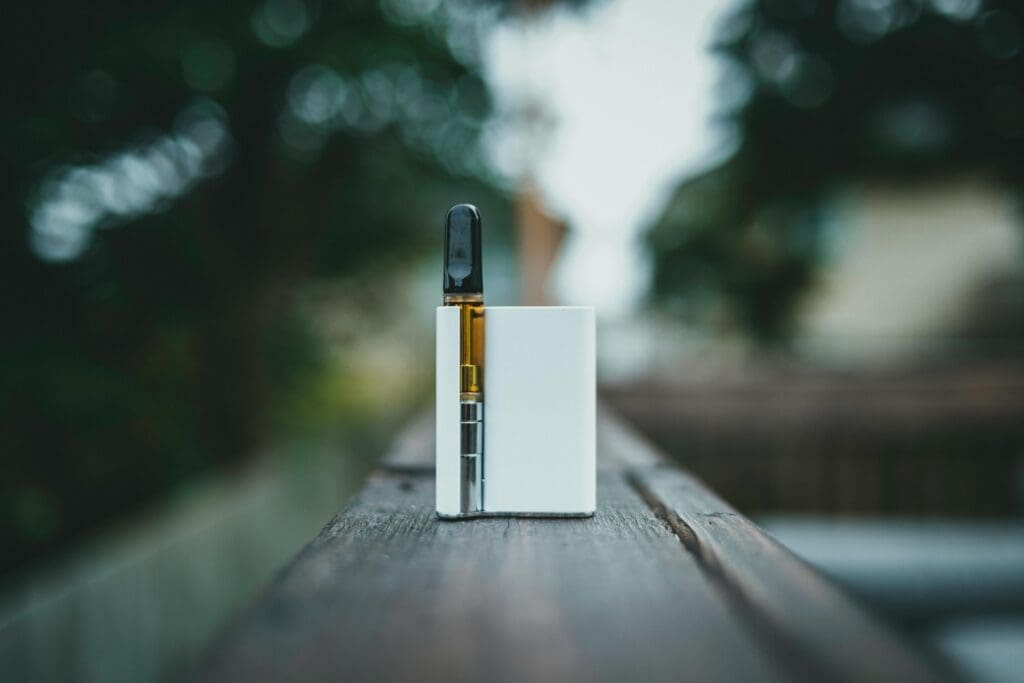
Wisconsin health professionals have major concerns with vaping:
A large number of health professionals, including the Wisconsin Department of Health Services, have major health concerns associated with vaping:
- Vaping is a relatively new practice, and the long-term costs of vaping still aren’t completely understood. The first case of e-cigarettes inducing lipid pneumonia was documented in 2012. The causative agent was identified as glycerin, which vape manufacturers long-believed was a safe e-liquid additive. The 2019-2020 vaping lung illness (EVALI) outbreak is another example.
- EVALI – e-cigarette or vaping-use-associated lung injury – is an inflammatory condition that damages your lungs. It develops as a result of vaping, and is an incredibly serious condition. 90% of reported EVALI cases require hospitalization. As of early 2000, EVALI was responsible for nearly 3,000 hospitalizations and 70 deaths. Researchers believe that vitamin E acetate, an ingredient sometimes used as a thickening agent in vape cartridges, is at least partially responsible for these illnesses and injuries.
- Popcorn lung – bronchiolitis obliterans – is a severe, irreversible lung disease that has been linked to vaping due to the presence of a chemical called diacetyl. Diacetyl is frequently found in many flavored e-liquid, especially those with buttery, creamy, or custard-like flavors. When inhaled, diacetyl causes inflammation and scarring of the bronchioles in the lungs, making it difficult to breathe.
- Disposable vapes can include various heavy metals, including nickel, tin, and lead. Inhaling these metals can increase a person’s risk of cancer, respiratory disease, and nerve damage.
- Vaping devices can lead to fires and explosions. Frequently, vapes are powered by lithium-ion batteries, which can catch fire and blow up if not used as intended. Fires and explosions can also occur when pets bite or chew on vapes.
So health professionals support the ban, right?
Not quite. To be clear, it wasn’t medical professionals, but instead lobbyists with large tobacco companies that pushed for the ban. Some medical professionals aren’t convinced the ban will help anything.
Supporters of banning flavored e-cigarettes say that flavors attract young people and can lead them into nicotine addiction. Researchers found strong evidence that when a flavor ban is put in place, frequent and daily vaping among teenagers drops by 2-3% in the short term. Unfortunately, evidence shows that drop becomes weaker after two years. Individuals 18-30 years old vape less after these bans, but this reduction seems to strengthen after two years. In other words, bans placed on flavored vapes seems to impact adults, but not teenagers. Most importantly, however, evidence suggests that many users of flavored vapes switch to either traditional cigarettes, or unflavored vapes after a ban. While the ban in Wisconsin does not impact only flavored vapes, this is certainly important information to consider.
Molly Collins, American Lung Association advocacy director for Wisconsin and South Dakota believes that many of these measures fail to address the core problem with vaping. Instead of addressing the risks associated with vape usage, these regulations just eliminate the competitors of large state-approved brands, like Altria, JUUL, and R.J. Reynolds. “Essentially it’s about market share, not public health,’ Collins told the Marquette Wire. She advised the publication that barriers to accessing these products, like increasing cost, could be a more advantageous approach.
Is it illegal to possess nicotine vapes in Wisconsin?
Wisconsin’s new vape law targets sellers of the devices, not users. The new law did nothing to change the ability to use or possess these devices.
That being said, it’s important to avoid purchasing vapes with the intent to sell them.
Section 134.65(1d) of the Wisconsin Statutes indicates the following:
No person shall in any manner, or upon any pretense, or by any device, directly or indirectly sell, expose for sale, possess with intent to sell, exchange, barter, dispose of or give away any cigarettes, electronic vaping devices, or tobacco products to any person not holding a license as herein provided or a permit under ss. 139.30 to 139.41 or 139.79 without first obtaining a license from the clerk of the city, village or town wherein such privilege is sought to be exercised.
You cannot sell vapes, expose vapes for sale, possess them with intent to sell, exchange them, barter them, or trade them in any other manner. A first offense is a non-criminal violation, punishable by $25.00 – $100.00. A second offense is punishable by a fine ranging between $25.00 and $200.00. This becomes a criminal offense, punishable by up to 60 days in jail, if the offender failed “to exercise due care to prevent violation” of the law. While this section certainly applies to careless shop owners, it’s equally applicable to individuals who purchase vapes from outside of the state with the intent to sell them in Wisconsin.